Vietnamese
 Chinese (Simplified)
 English
 French
 German
 Italian
 Japanese
 Portuguese
 Russian
 Spanish
 Swedish
#sinclairmethoduk #breaktheloop #braintraining #recoverycoaching #recoverycoaching Sinclair Method UK
Over time, this method reduces alcohol cravings by breaking the learned connection between alcohol and pleasure a concept known as pharmacological extinction. At the heart of the method is the medication naltrexone, a non-addictive medication that blocks opioid receptors in the brain. These receptors are part of the brain’s reward system, which reinforces behaviors like drinking alcohol by releasing pleasurable feelings. When a person drinks alcohol, their brain releases endorphins, which are chemicals that produce feelings of pleasure and satisfaction. The method is based on the premise that alcoholism is a disease that is caused by a build-up of endorphins in the brain.
Medication
Always follow your healthcare provider’s guidelines regarding dosage, adherence, and potential drug interactions for optimal safety and results. The Sinclair method is based on the theory of extinction, which means slowly reducing the amount of alcohol over time. It does not mean that you have to quit Sinclair method drinking (unless you choose to) but instead focuses on reducing alcohol consumption in a healthy manner. In a nutshell, the Sinclair Method (TSM) is a medication-assisted, evidence-based form of treatment for alcohol use disorder (AUD). Via the use of the prescription drug naltrexone, TSM addresses the reward pathways of the brain involved in substance dependence (1).
Daily vs. Targeted Naltrexone: Key Differences
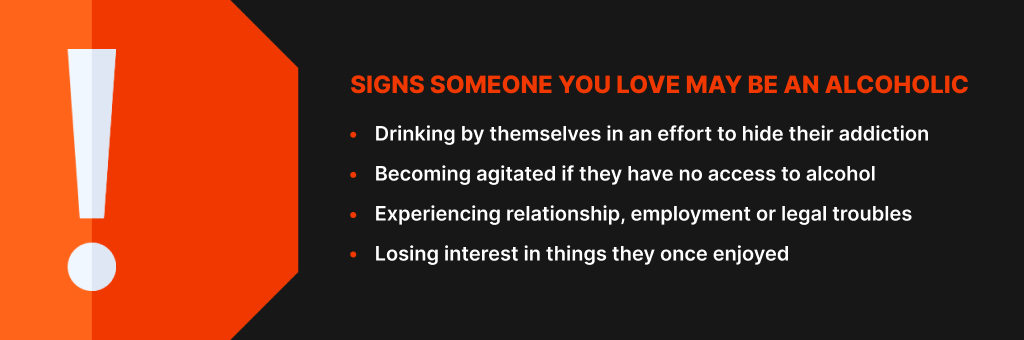
When an addict makes the decision to get sober and contact treatment services on their own, this is called indirect intervention. Moreover, addiction specialists and therapists will provide solid support to all people suffering from the person’s drug habits. Various therapeutic endpoints and some form of behavioural intervention in correlation with the medication is the most effective way of treating alcoholism with Naltrexone. Noting the units of alcohol consumed in each session is quintessential to managing a person’s liquor intake. Keeping a drinking diary can help patients monitor the amount of units they drink daily. The nervous system is a complex network that rewards the body every time it experiences something pleasurable.
Are you covered for treatment?
If drinking is repeated continuously, it becomes a hormonal pattern, making it challenging to put down the bottle. This article answers all those questions, provides support, and informs readers about one of the heroin addiction most effective treatments for alcoholism. By the end of this piece, the answer to the question, “What is The Sinclair Method ?
Naloxone: Usages in Addiction, Dosages, Side Effects, and Access
- By blocking the rewarding effects of alcohol, naltrexone disrupts the cycle of reinforcement that leads to compulsive drinking.
- Participants in the “targeted” group were instructed to take naltrexone 1-2 hours before entering a situation deemed high risk for heavy drinking (7).
- When we consume alcohol, our brain’s reward pathway is activated, releasing chemicals that create feelings of pleasure and euphoria.
A structured, medically supported 5-month system designed to make taking naltrexone before drinking automatic, so your brain stops reinforcing the habit over time. A structured, medically supported 12-week system designed to make taking naltrexone before drinking automatic, so your brain stops reinforcing the habit over time. Esther Walker shares her journey of reducing alcohol consumption with the Sinclair Method, supported by Sinclair Method UK. If a participant eventually chooses total abstinence, they may continue naltrexone daily to remove any potential desire for alcohol.
- Additionally, if someone chooses to continue drinking while on naltrexone, they can drink enough to break the protective “wall” that naltrexone provides.
- Do not take any opioid medications or use opioid street drugs during your treatment with naltrexone.
- Midstream segment revenues relate to pipeline and terminalling services provided primarily to the Refining segment, including leases.
- Income (loss) before interest and income taxes of our Refining segment represents income (loss) plus (i) Interest expense, net of Interest income and (ii) Income tax expense (benefit).
- Reconciliations to amounts reported under GAAP are provided under “Reconciliations to Amounts Reported Under Generally Accepted Accounting Principles” below.
Instead, it highlights the need for treatments that can mitigate the brain’s conditioned responses to alcohol. Over time, this process helps your brain “unlearn” the connection between alcohol and pleasure, gradually reducing cravings and the compulsion to drink. Clinical research shows that using naltrexone as part of the Sinclair Method can significantly reduce heavy drinking days and overall alcohol consumption over time. We guide people step-by-step through this science-backed approach to reduce cravings, change habits, and drink less over time — with real support from people who’ve been through it themselves. Naltrexone disrupts this process by blocking these receptors, preventing alcohol from triggering the usual pleasure response. Over time, the brain unlearns the association between alcohol and pleasure, a process known as pharmacological extinction.
Form
Understanding the addiction cycle and how Naltrexone works is key to producing fantastic results. Charting your journey is also a https://ecosoberhouse.com/ great way to how yourself accountable for the amount you drink in a day. Endorphin blockage means alcohol doesn’t inebriate the person the same way as if they weren’t taking Naltrexone. Without these pleasurable feelings, inordinate drinking is diminished in an individual who consumes alcohol in excess.